

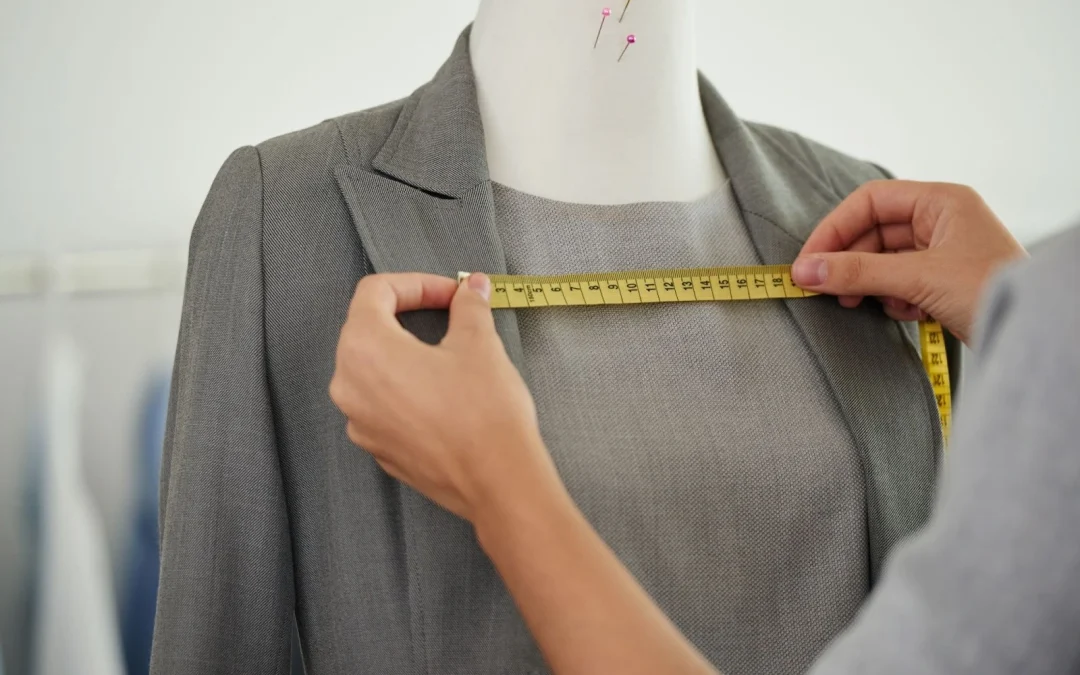
If you’ve ever stood in a fitting room wondering, “Do I need tailoring or just a quick alteration?” you’re not alone. The words get used interchangeably, but they don’t mean the same thing—especially if you’re dealing with luxury pieces, bridal gowns, or designer suits that really have no room for error.
Understanding the difference helps you protect your investment, get the fit you actually want, and choose the right service at a place that truly understands couture-level work, like Tailoring, Gown Customization, and Bridal Services at Mr. Dryclean in Glendale, CA.
Tailoring vs Alterations: The Core Difference
What is tailoring?
Tailoring is the art of sculpting a garment to your body and your style. It’s more comprehensive, more technical, and often more time‑intensive.
A professional tailor might:
- Reshape shoulders on a blazer
- Adjust the balance of a gown so it hangs correctly
- Redesign a neckline or back
- Taper and recut sleeves from the armhole
- Reshape a waist and hip area without distorting the garment’s lines
Tailoring is ideal when you:
- Are investing in high-end or designer clothing
- Want a “made-for-you” silhouette
- Need multiple areas of a garment adjusted
- Care about preserving the original craftsmanship and proportions
Think of tailoring as creating a custom fit from an existing base.
What are alterations?
Alterations are more limited, task-based changes to a garment’s size or length. They’re common, practical, and often quicker than full tailoring.
Typical alterations include:
- Hemming jeans, trousers, or skirts
- Taking in or letting out the waist
- Shortening sleeves
- Minor strap adjustments
- Replacing zippers or basic repairs
Alterations are ideal when:
- The garment already fits decently, but needs small tweaks
- You just need functional changes (like shortening pants)
- You’re working with everyday clothing, not couture
Alterations improve fit. Tailoring perfects it.
How to Tell Which You Need
Ask yourself these questions before you walk into the shop:
- How valuable is the garment?
Bridal gowns, custom suits, and red‑carpet style pieces usually call for a skilled tailor, not just basic alterations. - Is it one issue or several?
- Just a hem? Likely an alteration.
- Hem + waist + shoulders + neckline? You’re in tailoring territory.
- Is the garment structured or simple?
- A lined blazer, evening gown, or corseted dress needs a professional tailored approach.
- A casual summer dress may only need simple alterations.
- Do you want a completely personalized look?
If you’re refining proportions—making a jacket more fitted, raising a gown’s waistline, or reshaping a skirt—go with tailoring.
Many clients bring in designer pieces from events in Los Angeles or Pasadena and discover they need more than a quick fix. The goal is not just to “make it smaller” but to preserve the integrity of luxury construction.
Real Examples: Tailoring vs Alterations
Example 1: Men’s Suit
- Alteration-level work
- Hemming pants
- Slightly taking in the waist of the jacket
- Shortening sleeves from the cuff
- Tailoring-level work
- Reshaping the jacket through the side seams and back
- Adjusting shoulder width
- Correcting balance so the jacket hangs evenly if one shoulder is higher than the other
If you bought an off-the-rack suit for a wedding in Glendale and just need the pants hemmed, that’s an alteration. If you want it to look like a made-to-measure suit that photographs beautifully and drapes correctly, that’s tailoring.
Example 2: Evening Gown
- Alteration-level work
- Shortening the hem
- Tightening simple straps
- Slight bust adjustment
- Tailoring-level work
- Reshaping the bodice
- Moving or redesigning the back closure
- Adjusting layers of tulle or silk to fall correctly
- Adding internal structure or cups
This is where a specialized service like Gown Customization comes in—you’re not just altering length, you’re refining proportion and design.
Why Professional Tailoring Matters for Luxury and Bridal
When you’re dealing with couture fabrics, luxury brands, or a once‑in‑a‑lifetime bridal dress, the difference between “basic alterations” and professional tailoring is massive.
Protecting high-end fabrics and details
Delicate fabrics and luxury finishes require expert handling, such as:
- Silk charmeuse
- Hand-embroidered lace
- Beaded tulle
- Structured bodices
- Specialty trims and appliqués
Pairing tailoring with Dry Cleaning, Suede Leather Cleaning, Suede Leather Repair, and Suede Cleaning and Repair–style craftsmanship ensures:
- Stitching lines are invisible or in line with the original pattern
- Lining is adjusted properly, not left pulling or twisting
- Beading and embellishments are removed and reapplied carefully where needed
- The garment is properly cleaned before and after, especially for gown cleaning services or bridal dress cleaning
Bridal and special-occasion garments
For bridal and haute couture gowns, tailoring is rarely optional. Brides in Glendale who want a flawless fit typically need:
- Multiple fittings
- Bodice and cup adjustments
- Skirt volume control (especially for photos and walking comfort)
- Bustle creation for the train
- Preservation planning after the event
This is where dedicated Bridal Services and gown cleaning services become crucial—your gown should be properly tailored, worn, then cleaned and preserved by a team that understands couture finishing.
Where Alterations Shine
Tailoring isn’t necessary for everything. Many wardrobe staples only need simple alterations to look sharp and feel comfortable.
Common, cost-effective alterations include:
- Hemming jeans or casual pants
- Taking in the waist on off-the-rack skirts or chinos
- Shortening basic shirt sleeves
- Minor seam repairs or zipper replacement
If you’re sending clothing in with your Dry Cleaning in Glendale, it’s often efficient to handle these quick fixes at the same time.
Tailoring, Alterations, and Luxury Care Under One Roof
The best results come when tailoring or alterations are coordinated with high-level garment care. That’s especially true for:
- Evening gowns
- Bridal wear
- Designer clothing cleaning needs
- Leather and suede cleaning and repair on garments, shoes, or accessories
At a boutique-style cleaner like Mr. Dryclean in Glendale, your items can move seamlessly between:
- Tailoring – to refine fit and structure
- Gown Customization – to personalize and elevate special pieces
- Bridal Services – from fittings to post-wedding bridal dress cleaning and preservation
- Suede Leather Cleaning and Suede Leather Repair – for delicate skins and trims
- Bag Repairs and Shoe Repairs – so accessories match the standard of your clothing
- Luxury dry cleaning for couture and high-end fabrics
Having everything in one place means your tailor and cleaner can coordinate—the gown is steamed correctly, hems are pinned after proper pressing, and delicate embellishments are handled the right way from start to finish.
When to Choose Tailoring Over Simple Alterations
Choose professional tailoring if:
- You’re working with luxury or designer garments
- The piece has complex construction (structured jackets, corseted gowns, multi-layer skirts)
- You’re wearing it for an important event (weddings, galas, red carpet, professional photos)
- You want the garment to be a long-term investment piece, not disposable fashion
Choose basic alterations if:
- The garment is casual or inexpensive
- Only length or a simple measurement needs adjusting
- You’re mainly concerned with basic comfort, not a “made for me” look
If you’re not sure, a good tailor will tell you whether extensive work is worth the cost—or if a simple hem is all you need.
How Tailoring and Cleaning Work Together
High-level tailoring and high-level garment care should go hand-in-hand:
- Before tailoring:
- Clean garments so stains don’t set in seams or hems.
- For gowns and bridal, pre-cleaning ensures accurate color and fabric behavior during fitting.
- After tailoring:
- Pressing and steaming finish the look.
- For delicate pieces, consider luxury dry cleaning right before your event.
For cherished gowns or wedding dresses, pairing expert tailoring with Bridal Services and bridal dress cleaning gives you a complete lifecycle of care—from first fitting to long-term preservation.
FAQs: Professional Tailoring vs Alterations
1. Is tailoring always more expensive than alterations?
Generally, yes. Tailoring involves more time, precision, and often multiple fittings. Simple alterations like hemming pants or taking in a waistband are usually more budget-friendly. For high-end garments, however, proper tailoring often protects your investment and prevents costly mistakes.
2. How long do tailoring and alterations usually take?
- Simple alterations: often a few days to a week
- Tailoring on suits or dresses: typically 1–3 weeks, depending on complexity and fittings
- Bridal and couture gowns: plan for at least 6–8 weeks before your event
If you have a tight deadline in Glendale, call ahead or use CONTACT US to confirm timing.
3. Should I clean my garment before or after alterations?
Cleaning before alterations is recommended for most pieces, especially for designer clothing cleaning and special-occasion wear. Fabric can shrink or relax slightly during cleaning—your tailor needs to work with the final fabric condition. After the work is done, a final light press or luxury dry cleaning right before your event will give it a pristine finish.
4. Can all garments be tailored, or are there limits?
There are limits. A professional will look at:
- How much seam allowance is available
- Fabric type and weave
- Construction (especially on heavily fused or bonded garments)
- Wear, age, or prior alterations
Sometimes it’s possible to improve fit but not completely transform a garment. A skilled tailor will be honest about what’s realistic.
5. Do I need a specialist for bridal gown alterations?
Yes, especially for couture or heavily embellished gowns. Bridal tailoring involves structure, layering, trains, and bustles that everyday alterations shops may not handle well. Using dedicated Bridal Services and Gown Customization in Glendale ensures your dress is treated at the same standard as luxury fashion houses.
6. Can you alter or tailor garments with leather or suede panels?
Often, yes—but this is where you want a shop that works with Suede Leather Cleaning and Suede Leather Repair as well. Leather and suede behave differently than fabric; they need specific tools, threads, and knowledge. Combining tailoring with suede cleaning and repair–level expertise helps protect both texture and color.
7. Do you offer pickup and delivery for tailored or altered garments in Glendale?
If you’re using a full-service couture cleaner like Mr. Dryclean, you can combine tailoring with Dry Cleaning Pickup & Delivery in Glendale or nearby locations like Dry Cleaning Pickup & Delivery in Burbank, Dry Cleaning Pickup & Delivery in Pasadena, or Dry Cleaning Pickup & Delivery in La Cañada Flintridge. That way, fittings, cleaning, and final delivery can be coordinated around your schedule.
Ready for a Better Fit?
Whether you need a simple hem on your work trousers or full bridal tailoring and gown cleaning services, the first step is talking to a professional who understands both fit and fabric.
If you’re in or around Glendale, CA and want couture-level care for your wardrobe—tailoring, luxury dry cleaning, designer clothing cleaning, Bridal Services, Gown Customization, Suede Leather Cleaning, Suede Leather Repair, Bag Repairs, or Shoe Repairs—reach out to Mr. Dryclean.
Use Request A Quote to share what you need, or contact the team directly through CONTACT US to schedule a fitting or consultation. Your clothes can do more than just “fit.” They can look like they were made for you.